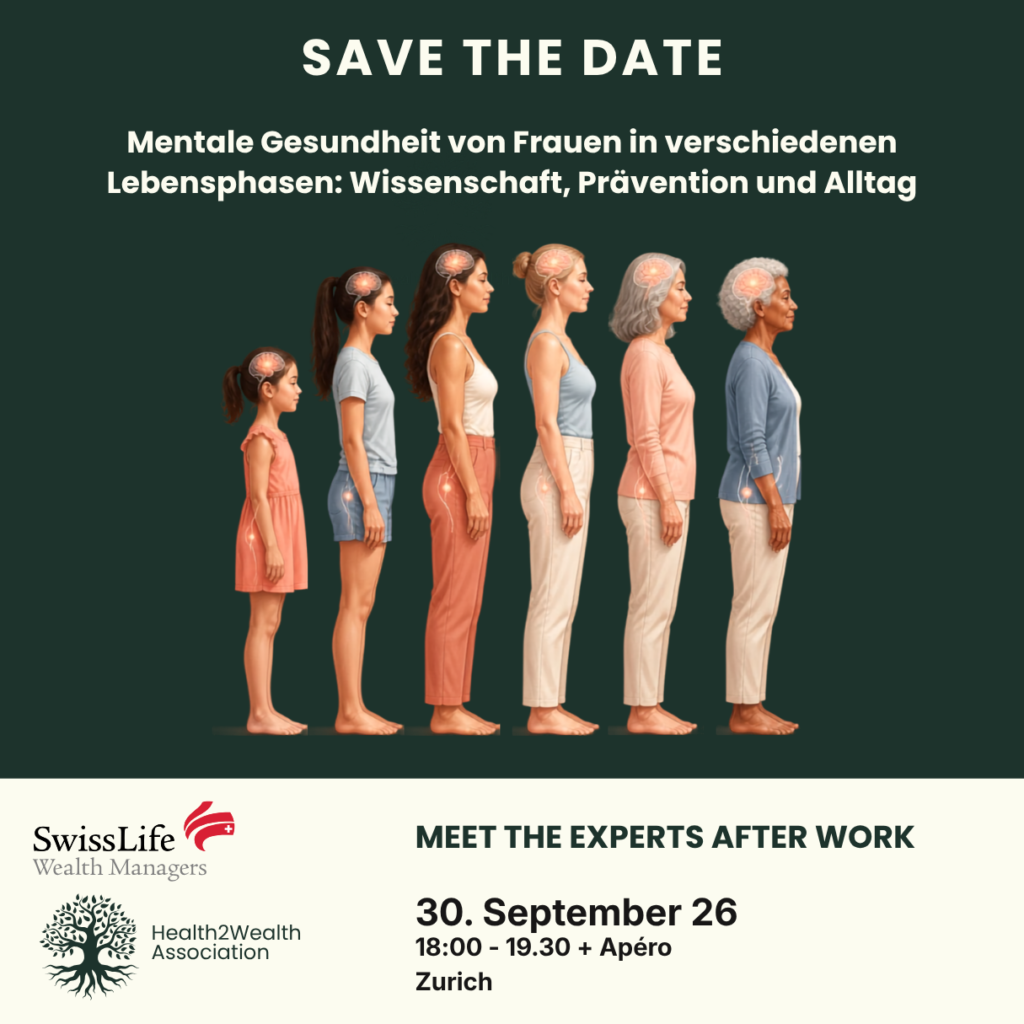

Midlife: The moment your biology asks for attention
There is a moment, usually somewhere between 45 and 55, when a woman begins to notice that her body is having a different conversation than it used to. Sleep is lighter. Energy is less predictable. The scale behaves strangely despite nothing obvious having changed. And the medical system, more often than not, tells her: “That’s just menopause. It’s normal.”
Normal, yes. Inevitable, also. But inconsequential? That is where the science tells a very different story.
The years around menopause are not simply a biological inconvenience to be managed. They are one of the most significant windows of opportunity in a woman’s entire health trajectory, a period during which the choices made and the care received, can shape the next three or four decades of her life. The question is whether we are using this window wisely.
What actually happens in midlife
Menopause is not a single event. It is a transition, typically covering several years, during which oestrogen and progesterone levels decline, often erratically, before settling at a new, lower baseline. This hormonal shift has consequences that reach far beyond the reproductive system.
Oestrogen, it turns out, is a systemic protector. It maintains bone density, supports cardiovascular function, regulates lipid metabolism, protects cognitive function, and modulates inflammatory pathways throughout the body. When its levels fall, women do not simply experience hot flushes and disrupted sleep. They enter a new biological terrain in which their risk profiles for cardiovascular disease, osteoporosis, type 2 diabetes, dementia, and metabolic syndrome all shift, sometimes rapidly.
Research from the Women’s Health Initiative Memory Study (Espeland et al., JAMA, 2004) and subsequent longitudinal work has consistently shown that the timing of this hormonal transition influences long-term brain health. The “critical window hypothesis”, now supported by multiple research groups, suggests that oestrogen’s neuroprotective effects are most relevant when intervention begins close to the onset of menopause, not years or decades later (Rocca et al., Lancet Neurology, 2014).
This is not a reason for alarm. It is a reason for action and for early, informed conversation between women and their doctors.
Midlife should not be something women simply endure. It should be a clinical encounter that resets the trajectory of their health for the better.
The healthspan equation
Healthspan, the years of life spent free from chronic disease and disability, is shaped roughly 20–25% by genetics and 75–80% by lifestyle and environment (Wilcox et al., 2006; Christensen et al., 2006). That means the majority of our biological destiny is modifiable. And the period around menopause is one of the most sensitive phases in which those modifications take hold.
Bone density lost in the first five years after menopause is extraordinarily difficult to recover. Visceral fat that accumulates during this transition, driven partly by hormonal change, partly by lifestyle factors, is metabolically active and independently linked to cardiovascular risk. Insulin sensitivity often declines. The cardiovascular system, previously protected by oestrogen’s vasodilatory and anti-inflammatory properties, becomes more vulnerable.
These are not scare statistics. They are the biological logic that explains why midlife is not the time for watchful waiting but the time for active, evidence-based prevention.
What evidence-based midlife care looks like
Prevention in this context is not “wellness”. It is not supplements without data or lifestyle advice without mechanism. It is structured, personalised, science-backed intervention and it begins with an honest assessment of where a woman stands.
Hormone replacement therapy (HRT). When appropriately indicated and initiated at the right time, HRT is among the most well-evidenced tools in midlife women’s health. Decades of fear, much of it stemming from a misreading of the Women’s Health Initiative study published in 2002, have left an entire generation of women undertreated. Re-analyses, longer follow-up data and newer formulations have substantially rehabilitated HRT’s evidence base (Manson et al., NEJM, 2016). The conversation is nuanced, the individual assessment matters enormously and blanket avoidance is no longer scientifically defensible.
Resistance training & exercise. Muscle mass protects metabolic function, bone density and cognitive health. The evidence linking VO₂ max to longevity is among the strongest in preventive medicine (Kodama et al., JAMA, 2009). Midlife can be a strategic moment to build the physiological reserves that will determine quality of life in later decades.
Nutritional strategy. Protein requirements increase in midlife, the Mediterranean dietary pattern continues to show strong evidence for cardiovascular and cognitive protection and gut microbiome health becomes more central to metabolic resilience.
Sleep architecture. Sleep changes around menopause, often for the worse. The bidirectional relationship between sleep quality and hormonal balance means that poor sleep both results from and accelerates hormonal disruption. Addressing sleep is foundational, not optional.
The doctor – Patient partnership
Here is an honest observation from clinical practice: the medical system was not designed for midlife women. Gynaecology has traditionally focused on reproductive function. Cardiology and metabolic medicine have historically studied male cohorts. The result is a care gap: women in their late forties and fifties who are symptomatic, concerned and seeking guidance and who are too often met with normalisation rather than investigation.
That reality is beginning to change. One of the women driving this transformation is Prof. (UNIC) Dr. med. Bettina von Seefried, founder and CEO of gynhealth, Switzerland’s largest network of gynecology and obstetrics practices. Dr. von Seefried is currently building an online clinic dedicated to women in midlife, supporting them with expert counseling on hormone replacement therapy, weight management and holistic prevention without the barriers of geography, waiting lists or dismissal.
Your window is open
The compression of morbidity, the goal of pushing disease and disability as late as possible in life, does not happen passively. It is the result of decisions made at precisely the moments when the body is most responsive to them. Midlife, for women, is one of those moments.
The evidence is clear. The tools exist. What is needed now is access, informed conversation and the willingness to treat midlife not as an ending, but as one of the most important beginnings in a woman’s health story.