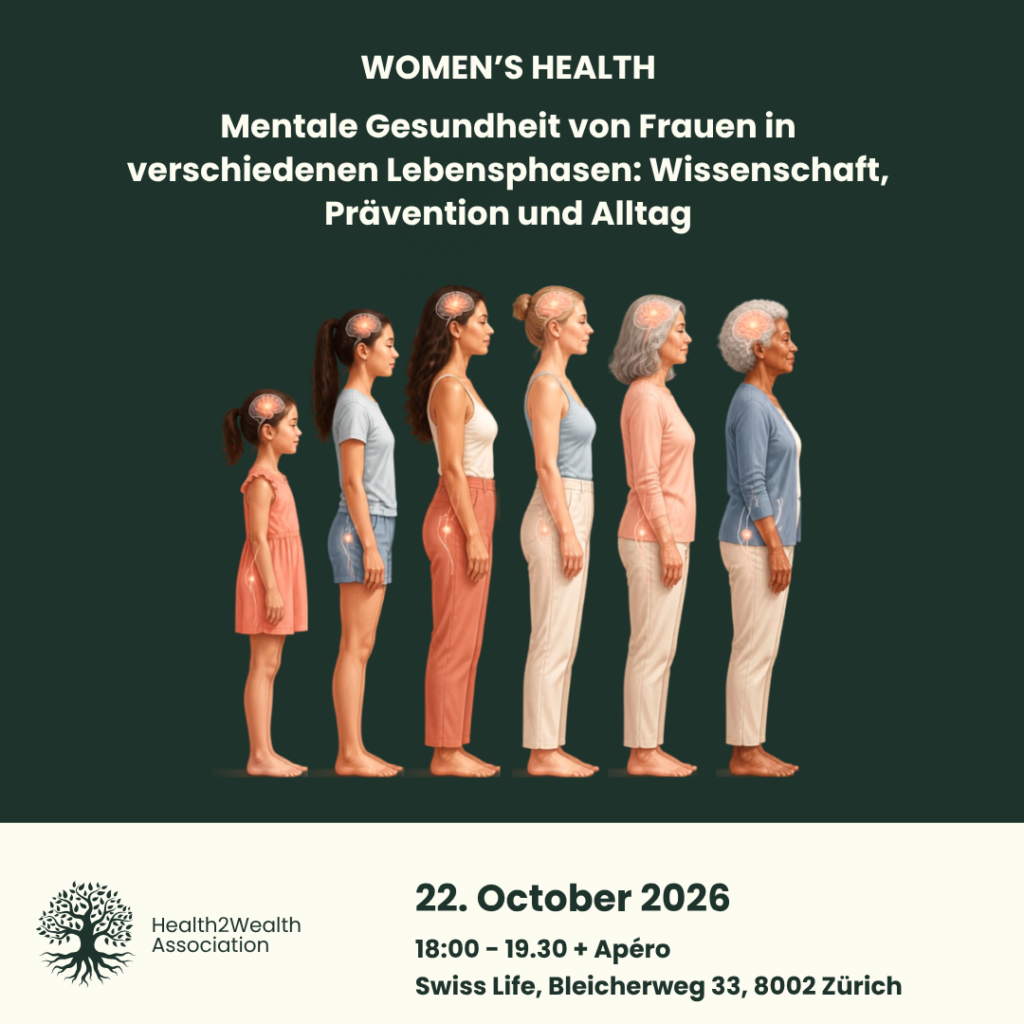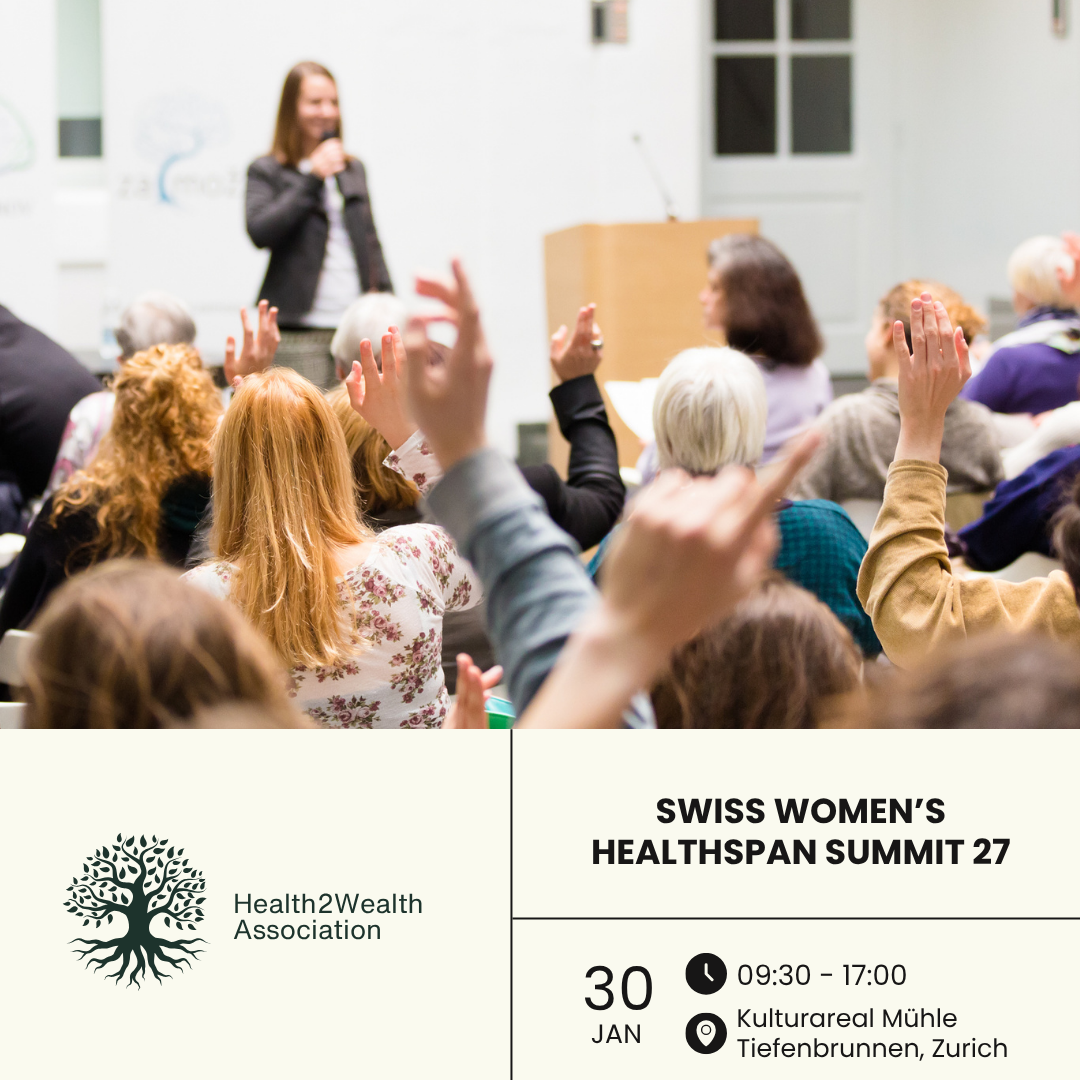
Es gibt einen Moment – meist irgendwo zwischen 45 und 55 –, in dem eine Frau allmählich bemerkt, dass ihr Körper ihr etwas anderes mitteilt als früher. Der Schlaf ist …
WeiterlesenFrauengesundheit: Die geschlechtsspezifische Lücke bei der Gesundheitsspanne schließen
Der Gesundheit von Frauen wurde in der medizinischen Forschung in der Vergangenheit weniger Aufmerksamkeit geschenkt als der von Männern. Infolgedessen bestehen nach wie vor erhebliche Wissenslücken hinsichtlich der Frage, wie die Gesundheit von Frauen über den gesamten Lebensverlauf hinweg – von der Prävention über die Diagnose bis hin zur Behandlung – am besten gefördert werden kann.
Frauen leben länger, aber nicht unbedingt gesünder
In der Schweiz beträgt die Lebenserwartung von Frauen 85,8 Jahre, während sie bei Männern bei 82,0 Jahren liegt – ein Unterschied von fast vier Jahren (Our World in Data, 2023). Die gesundheitsbereinigte Lebenserwartung ist bei Frauen jedoch nur geringfügig höher: 71,3 Jahre bei Frauen gegenüber 70,9 Jahren bei Männern (WHO Global Health Observatory).
Dies ist die Gesundheitsspanne-Lücke bei Frauen: mehr gelebte Jahre, aber ein überproportionaler Anteil davon, der mit der Bewältigung chronischer Erkrankungen, Behinderungen oder einer verminderten Lebensqualität verbracht wird.
| Frauen | Männer | |
|---|---|---|
|
Lebenserwartung bei der Geburt |
85,8 Jahre |
82,0 Jahre |
|
Erwartete Lebenserwartung bei guter Gesundheit (Healthspan) |
71,3 Jahre |
70,9 Jahre |
|
Krankheitsdauer (Jahre in schlechter gesundheitlicher Verfassung) |
~14,5 Jahre |
~11,1 Jahre |
Was diesen Trend noch dringlicher macht, ist seine Richtung. In der Schweiz steigt die gesunde Lebenserwartung von Männern derzeit schneller als die von Frauen. Männer holen den historischen Rückstand bei der Lebenserwartung auf, während sich die Zuwächse bei Frauen sowohl hinsichtlich der Lebensdauer als auch der Gesundheitsspanne verlangsamen. Wenn nichts dagegen unternommen wird, könnten die Jahre, die Frauen in schlechter Gesundheit verbringen, eher zunehmen als abnehmen.
Warum die Gesundheit von Frauen eine eigene Perspektive braucht
Um diese Lücke zu schließen, bedarf es mehr als nur allgemeiner Gesundheitsempfehlungen. Es müssen die für Frauen spezifischen strukturellen und biologischen Faktoren berücksichtigt werden:
- Forschungslücken. Frauen waren in klinischen Studien in der Vergangenheit unterrepräsentiert, was dazu geführt hat, dass Behandlungen und Leitlinien weniger auf ihre Physiologie zugeschnitten sind.
- Krankheitsbild. Viele Erkrankungen, von Herzinfarkten bis hin zu Autoimmunerkrankungen, zeigen bei Frauen andere Symptome, was zu einer späteren Diagnose und schlechteren Behandlungsergebnissen führt.
- Übergänge zwischen verschiedenen Lebensphasen. Hormonelle Veränderungen im Verlauf des Menstruationszyklus, während der Schwangerschaft und in den Wechseljahren haben erhebliche und oft unterschätzte Auswirkungen auf die langfristige Gesundheit.
- Pflegebelastung. Frauen tragen einen überproportionalen Anteil der Pflegeaufgaben, was wiederum ihre Zeit einschränkt, den Stress erhöht und den Zugang zu Vorsorgeuntersuchungen einschränkt.
Unser Beitrag zur Förderung der Frauengesundheit in der Schweiz
Health2Wealth stellt die Gesundheit von Frauen in den Mittelpunkt der Debatte um die „Healthspan“. Wir bringen Forscher, Ärzte und die Frauen selbst zusammen, um das Bewusstsein für die Erkrankungen und Lebensphasen zu schärfen, die die „Healthspan“ von Frauen am stärksten beeinflussen, und um neue Forschungsergebnisse in praktisches, anwendbares Wissen umzusetzen.
Unser Ziel ist es, sicherzustellen, dass bei der Schliessung der allgemeinen Lücke in der Gesundheitsspanne in der Schweiz keine Frauen zurückgelassen werden, sondern dass ihre Bedürfnisse im Mittelpunkt der Lösung stehen.
Entdecken Sie bevorstehende Veranstaltungen zum Thema Frauengesundheit
Entdecken Sie Blog-Artikel zum Thema Frauengesundheit

Wir sind der festen Überzeugung, dass das Älterwerden ein Abenteuer und keine Last sein sollte. Deshalb zielt jede unserer Initiativen darauf ab, die Wissenschaft der Langlebigkeit in eine freudvolle Erfahrung zu verwandeln.
© 2026 Alle Rechte vorbehalten.